
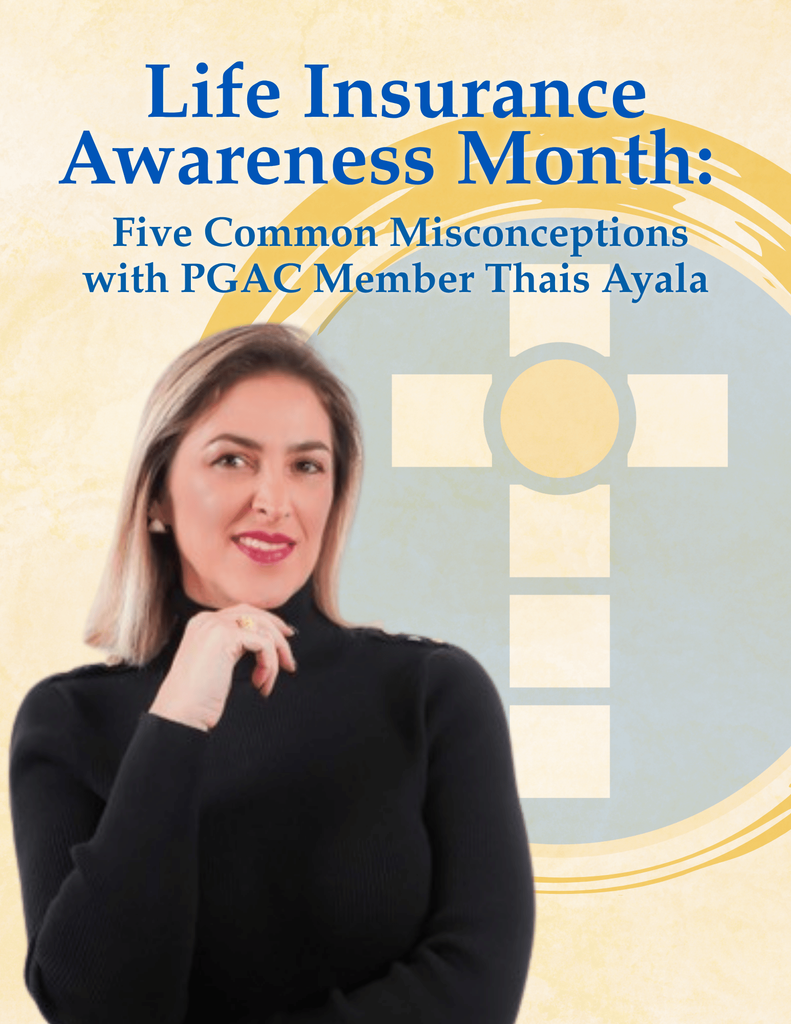
As a life insurance professional, I often meet families who want to plan responsibly but hesitate because life insurance can seem expensive, confusing, or like something to address later. This Life Insurance Awareness Month, I invite you to see it differently: as an expression of stewardship—protecting the people you love and extending generosity to the causes that matter most to you.
1. “I am young and healthy, so I do not need life insurance—and it is probably too expensive anyway.”
The need for life insurance is not based on age alone. It is shaped by the people who depend on your income, outstanding debts, family responsibilities, and the legacy you hope to leave. Exploring coverage earlier in life may also provide greater flexibility and more affordable options.
2. “The coverage I receive through work is enough.”
Employer-provided life insurance can be a valuable benefit, but it may not fully meet a family’s needs—and it may change if you change jobs or retire. It is wise to understand the details of your workplace coverage and consider whether it is enough on its own.
3. “The least expensive policy is automatically the best policy.”
Cost matters, but it should not be the only consideration. A lower-cost term policy can be an excellent choice when the goal is protection during a particular season of life. However, someone seeking lifelong protection, a legacy for loved ones or charitable causes, accumulation opportunities, or asset-protection considerations may need to explore different options. The best policy is not simply the one with the lowest premium; it is the one that supports your goals.
4. “Choosing the right policy is too complicated.”
Life insurance can feel overwhelming because there are many options. But you do not have to navigate the decision alone. A trusted insurance professional can conduct a needs assessment and help clarify what matters most to your family: income protection, leaving a legacy, allowing your resources to continue making an impact after your lifetime, wealth accumulation, or asset protection. From there, your agent can help identify options that align with those priorities.
5. “Naming a charity as a beneficiary is complicated.”
In many cases, naming a charitable organization as a full or partial beneficiary can be as straightforward as completing a beneficiary designation form with your insurance company. It can be a meaningful way to support a parish, Catholic foundation, or ministry that has made a difference in your life. Be sure to confirm the organization’s correct legal information and consult appropriate advisors about any legal or tax considerations.
Reviewing your life insurance after important changes—such as marriage, the birth of a child, retirement, or a career transition—is a thoughtful act of responsibility and love. Planning today can bring peace of mind for tomorrow.
If you would like to review your current coverage or begin a conversation about protecting your family and creating a meaningful legacy, I would be honored to help.
Thais Ayala
Independent Insurance Consultant
305 468-7241
info@thaisayala.com
This article is for educational purposes only. Policy options and legal or tax implications vary by individual circumstances; please consult your insurance professional and legal or tax advisor before making decisions.